

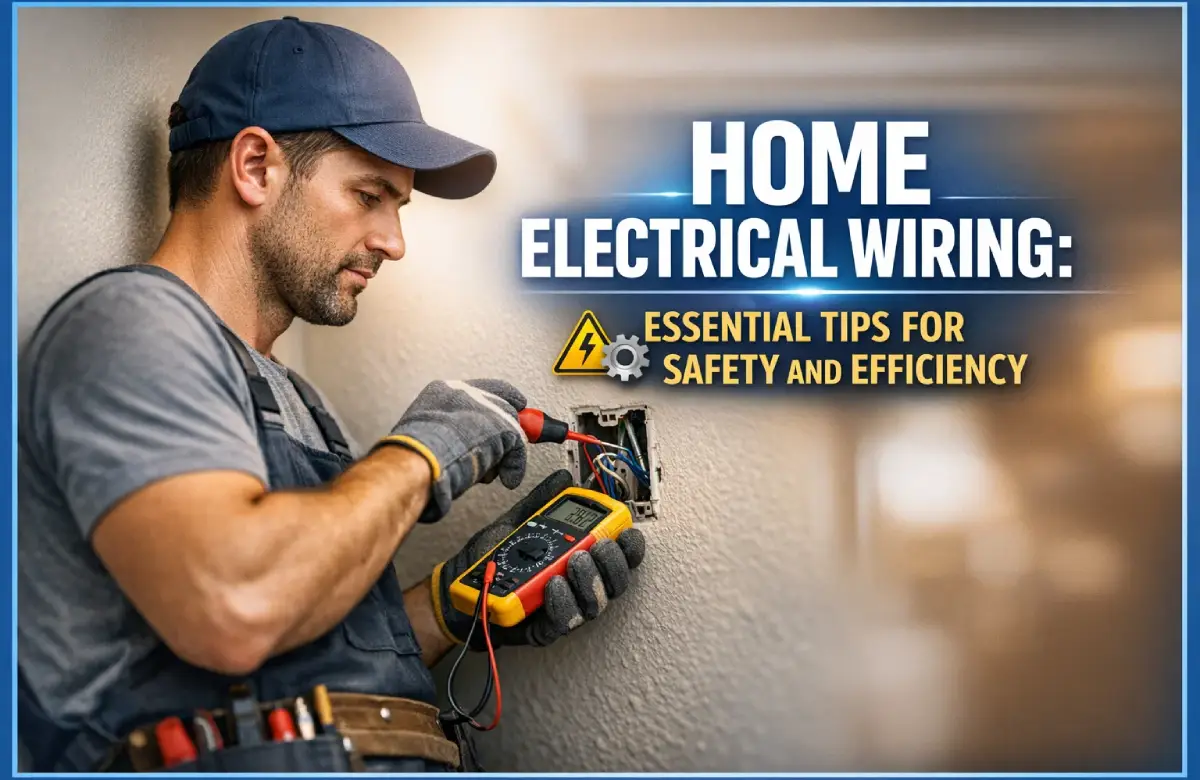
Every home requires a home electrical wiring system to supply power for lighting and household appliances. Homeowners rarely consider their house’s electrical wiring until it becomes a problem. However, maintaining your home electrical system safely and efficiently can reduce the occurrence of electrical hazards or discomfort in the home.
Learning basics about home electrical wiring can lead to more informed decision-making by homeowners as well as fewer accidents, such as electric shock or electrical fires.
This guide contains some essential components of residential electrical systems, safety tips for using residential electrical systems, and basic knowledge of home electrical systems, which will assist in keeping your home’s electrical system safe and performing efficiently.
What Is Home Electrical Wiring?
A home wiring system consists of wiring, cable, and devices that transport electricity throughout your home. The wiring connects power sources (outlets, switches, and appliances) to the main power source. The electrical system conveys electricity to the outlets, light switches, and appliances safely and efficiently.
To sum up, the entire home wiring system represents the very first step towards living in a modern day. The wired parts of a home support all the functions of the home by enabling the use of the lighting, appliances, and other devices. Therefore, without having the wired portion of your house functioning properly, you would be unable to see or use the objects in your home.
Why Safe Electrical Wiring Matters
When the home’s electrical wiring is safe, people and property are also safe. A poorly wired house can lead to many hazards, such as shock, fire, loss of power, and appliance damage.
By following the standard requirements for electrical wiring, you are enhancing your home’s energy efficiency and therefore increasing the availability of a consistent, clean supply of electricity to all the devices/equipment that are used in your home.
Electrical wiring that is installed properly will make the home more secure and save you money on repairs over time.
Explain the Electrical Wiring Diagrams Light Switch
Electrical wiring diagrams and light switches show how wires come together to provide control of lighting. These diagrams contain a lot of useful information for the electrician Tulsa and homeowner alike, giving them an idea of the path of wiring and the simple symbols used to explain it. It also gives you an idea of how, at a glance, to understand the simplicity of wiring circuitry.
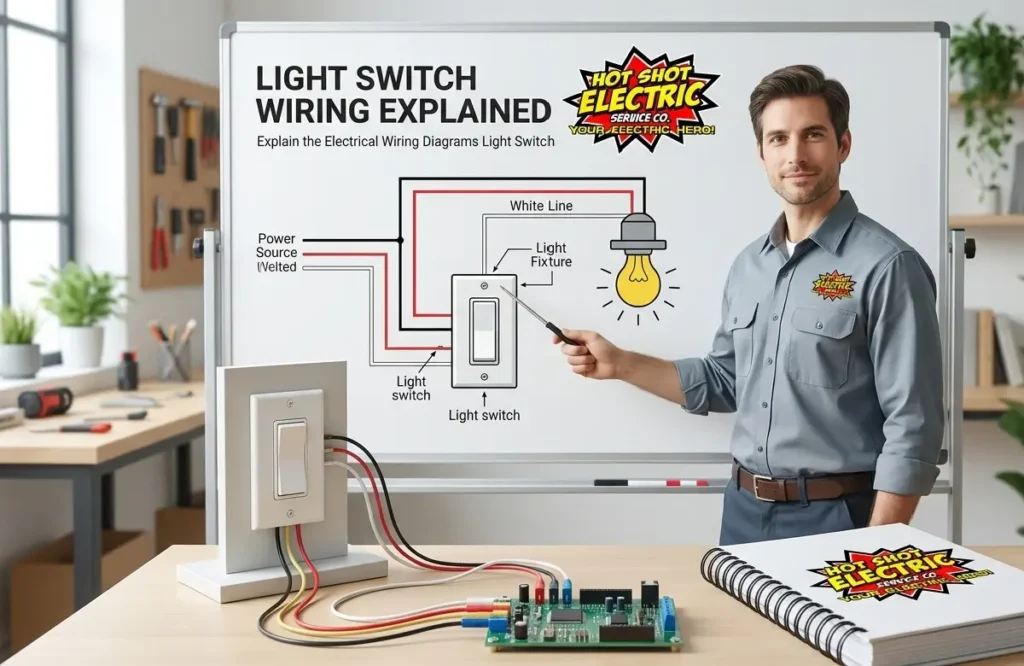
The fundamental diagram of a switch, associated with lighting, shows the power coming from the source directly to the light and then shows how, through the switch, the power may pass to the light or be cut off.
What Is an Electrical Wiring 3-Way Switch and a Four-Way Electrical Switch?
An electrical wiring 3-way switch enables you to control a light from two different locations. This is usually used in conjunction with hallways or staircases. Greater convenience, as well as better control, is the result.
A four-way electrical switch wiring arrangement permits the lighting to be controlled from three or more locations. This requires the use of two 3-way switches arranged in a circuit. The difference is obviously in the number of control points.
How to Install Electrical Outlet Wiring
Connecting electrical outlet wiring in the wall connects power to the outlets through which you plug in chargers, TVs, and appliances. Wiring an electrical outlet is just gripping the hot wire and the neutral one. With actual electricity going into and out of the house proper, it is wise to wire the outlet properly.
What Is Color Coding for Electrical Wiring?
Color code wiring helps identify different wires. It improves safety and makes installation easier. Each color shows a specific purpose in the system.
Common color coding for electrical wiring includes the following:
- Black for hot wires.
- White/Gray for neutral wires.
- Green/Bare copper for ground wires.
- Red is the second hot wire in 240V circuits.
- Blue/yellow is often used as a hot wire.
This color code wiring electrical system helps avoid confusion and ensures proper connections during installation or repair.
Common Problems in House Electric Wiring
Electrical wiring in many houses can have problems due to aging house electrical wire materials, loose wire connections, and overloading circuits. An example of how electrical wiring problems affect how well something will work and whether or not it will be safe is flickering lights or tripping the circuit breaker.
All of these issues require timely attention. Regularly inspecting/maintaining your home’s electrical system allows you to identify and address any potential faults before they escalate into larger problems.
Tips for Safe and Efficient Wiring
Safe house electrical wiring requires proper care and attention. Simple steps help maintain safety and improve performance.
- Do not overload outlets.
- Use quality wiring materials.
- Check wiring regularly
- Hire professionals for repairs
- Follow proper safety codes
These steps help maintain strong and reliable electrical wiring systems in every home.
When to Call a Professional Electrician
Some wiring tasks need expert help. Complex systems like electrical wiring, 3-way switch setups, or four-way electrical switch wiring require skill and experience.
If there are frequent issues or old wiring, it is best to call a professional Best electrician tulsa. Experts ensure safe installation and proper repairs. This reduces risks and improves long-term performance.
Conclusion
Home electrical wiring plays a vital role in safety and comfort. From understanding electrical wiring diagrams and light switches to learning about electrical outlet wiring and color codes, every detail matters. Proper knowledge helps homeowners maintain safe and efficient systems.
Hot Shot Electric Services Co. provides trusted electrical solutions for modern homes. From outdoor kitchens and landscape lighting to pool and hot tub systems, their team delivers safe and reliable service. Whether it is patio fans, heaters, breaker box upgrades, or aluminum wiring repairs, they ensure professional results. Homeowners looking for top-quality electrical work can rely on their expertise for safe and efficient solutions.
Frequently Asked Questions:
Q1. What is home electrical wiring?
Home electrical wiring is the system that carries electricity throughout a house. It connects power to lights, outlets, and appliances and ensures safe and efficient operation of all electrical devices.
Q2. What is an electrical wiring 3-way switch?
An electrical wiring 3-way switch allows control of a light from two different locations. It is commonly used in hallways or staircases for better convenience and easy access.
Q3. What does electrical outlet wiring include?
Electrical outlet wiring includes hot, neutral, and ground wires. These wires work together to provide safe electricity flow to devices plugged into the outlet, which ensures proper and stable performance.
Q4. Why is color coding for electrical wiring important?
Color coding helps identify wire functions quickly. It prevents mistakes during installation or repair and improves safety by ensuring correct connections in the electrical wiring system.
Q5. When should you call a professional electrician?
A professional electrician should be called for complex wiring issues, frequent electrical problems, or system upgrades. Experts ensure safe installation, proper repairs, and long-lasting electrical performance in the home.