Table of Contents
- Understanding Electrical Alternatives for Homeowners
- Solar Power Systems and Grid-Tied Solutions
- Home Battery Backup Systems and Energy Storage
- Portable Generator Safety Tips and Best Practices
- Hiring Licensed Electricians for Energy Upgrades
- Residential Microgrid Systems and Off-Grid Living
- Cost-Benefit Analysis: Which Alternative Fits Your Home
- Regulatory Compliance and Safety Standards
Last Updated: August 17, 2026
Understanding Electrical Alternatives for Homeowners
When your home’s electrical system ages or energy needs grow, you face a choice: stick with traditional grid power or explore electrical alternatives. Solar panels, battery backup systems, portable generators, and residential microgrids can transform how your home consumes and stores energy. The real challenge is matching the right solution to your budget, home’s age, local climate, risk tolerance for outages, and whether you want to stay grid-connected or go fully independent. This guide from Hot Shot Electric Services Co. breaks down every major electrical alternative available to homeowners, including actual costs, system integration, and financial viability.
Before exploring any electrical alternative, have a licensed electrician assess your current electrical infrastructure. Older homes with aluminum wiring, undersized panels, or outdated breaker boxes may need upgrades before new systems can be safely installed.
Solar Power Systems and Grid-Tied Solutions
A grid-tied solar system generates electricity from sunlight and feeds excess power back to the utility grid, earning you credits on your bill while maintaining reliable backup power. This is the most common solar setup because it eliminates expensive battery storage while reducing dependence on utility rates.
Grid-tied systems work through net metering: when your panels produce more power than you use, the utility buys that surplus at the same rate they charge you for electricity. When the sun sets or clouds block sunlight, you draw power from the grid. The advantage is financial predictability, you can calculate payback periods with confidence. The disadvantage is clear: when the grid goes down, your system automatically shuts off for safety reasons, even if the sun is shining.
Grid-tied systems require professional installation because they connect to utility infrastructure. Hot Shot Electric Services Co. handles the complete installation process, including electrical panel upgrades, permitting, and grid interconnection paperwork.
Grid-tied solar eliminates battery costs and provides the fastest financial payback, but offers zero backup power when the grid fails. It’s ideal for homeowners prioritizing cost savings over outage protection.
Home Battery Backup Systems and Energy Storage
A home battery stores electricity generated by solar panels or charged from the grid, allowing you to use that power when the sun isn’t shining or during outages. Battery systems transform solar from a utility-bill reducer into a true backup power source and energy independence tool.
Tesla Powerwall for Seamless Integration
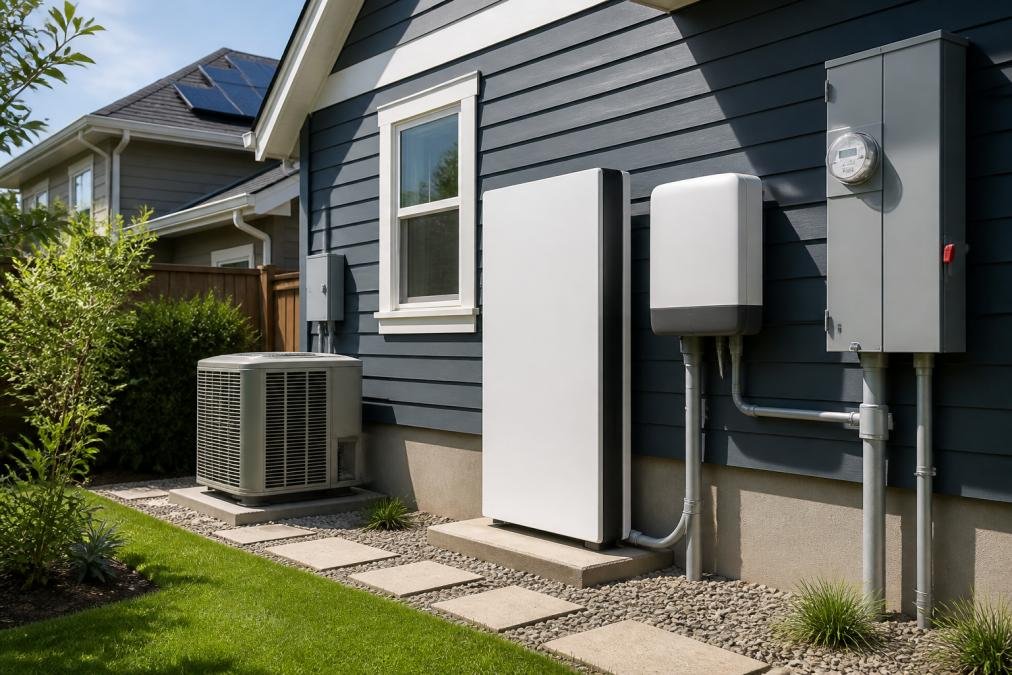
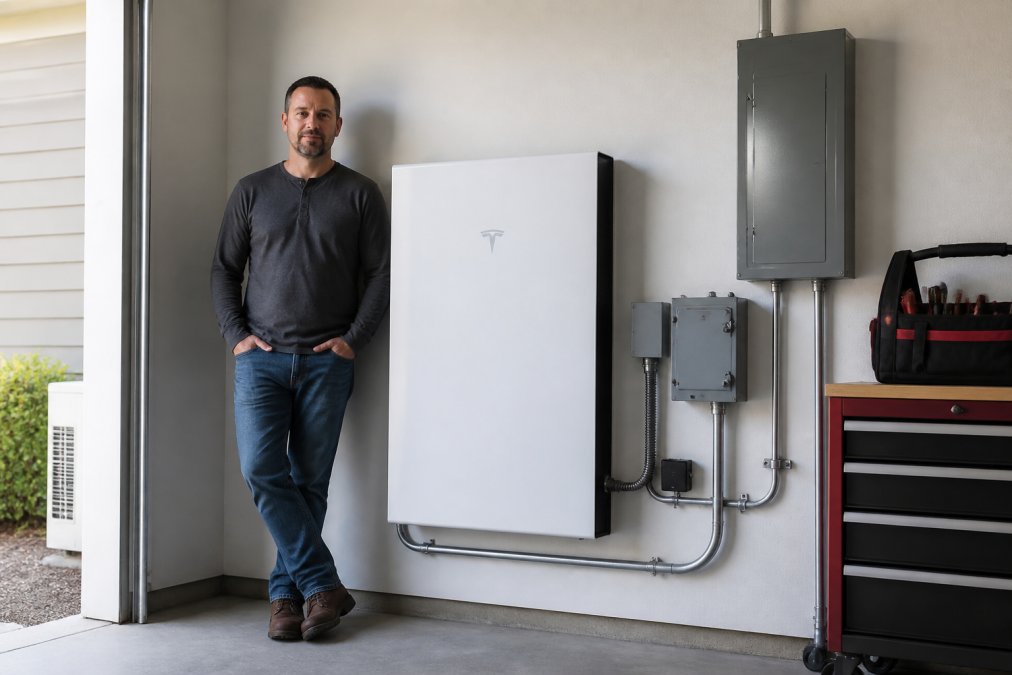
Tesla Powerwall is a 13.5 kWh lithium-ion battery designed to integrate directly with Tesla solar systems and home electrical panels. It’s hardwired into your home’s electrical infrastructure and handles automatic switching between grid power, stored energy, and solar generation.
The Powerwall excels at seamless integration. When the grid goes down, it automatically detects the outage and switches your home to battery power within milliseconds. If you have a Tesla solar system, the Powerwall communicates directly with your panels to optimize charging and discharge timing based on your usage patterns and electricity rates.
A single Powerwall provides roughly 13.5 kWh of usable storage, covering most homes’ essential loads for 12-24 hours depending on usage. The trade-off is cost and permanence. Installation requires professional electrical work, and the system is designed for permanent installation, not moving between homes.
Modular Solutions Like EcoFlow DELTA Pro
EcoFlow DELTA Pro Ultra represents the opposite philosophy: modularity, portability, and scalability. It’s a portable power station with 6-90 kWh expandable capacity that can be installed as a home backup system or moved between locations.
The DELTA Pro’s real advantage is flexibility. You can start with a base unit and expand capacity by adding additional battery modules as your budget allows. You can use it for home backup, outdoor events, camping, or emergency preparedness. The system integrates with solar panels, smart home setups, and multiple charging sources through a mobile app.
The limitation is practical. While the DELTA Pro can theoretically power an entire home, running multiple high-power appliances simultaneously can exceed its 24 kW output. Most homeowners use it to power essential circuits during outages, not their entire home.
Portable power stations like the DELTA Pro generate heat during charging and operation. They need proper ventilation and shouldn’t be installed in enclosed spaces like closets. Poor ventilation can reduce battery lifespan and create fire hazards.
Portable Generator Safety Tips and Best Practices
Portable generators provide emergency backup power without battery costs, but they require careful operation to avoid carbon monoxide poisoning, electrical hazards, and fire risks.
Never run a generator indoors. Gasoline and propane generators produce carbon monoxide, a colorless, odorless gas that kills within minutes. Run generators outside, at least 20 feet away from windows, doors, and air intake vents.
Store fuel safely in approved metal containers, never in your home or garage. Gasoline vapors are heavier than air and accumulate in low spaces, creating explosion hazards. Store propane tanks upright in well-ventilated areas, away from heat sources and direct sunlight.
Never plug a generator directly into your home’s electrical panel or use a backfeed cable to connect it to household circuits. This practice electrocutes utility workers repairing power lines. Instead, use the generator’s outlets directly or hire a licensed electrician to install a proper transfer switch, which allows safe, code-compliant connection between generator and home electrical systems while preventing backfeed.
Load management prevents overloads. Start with essential loads: refrigeration, heating, lighting, and communication devices. Add other loads only if capacity remains. Maintain your generator regularly by changing oil, replacing air filters, and running it monthly under load to prevent fuel system fouling.
A licensed electrician can install a proper transfer switch that allows safe generator backup without the risk of electrocuting utility workers. This is the only code-compliant way to connect a portable generator to your home’s main electrical system.
Hiring Licensed Electricians for Energy Upgrades
Whether you’re installing solar, batteries, generators, or upgrading your electrical panel, professional installation separates safe, code-compliant systems from dangerous DIY mistakes.
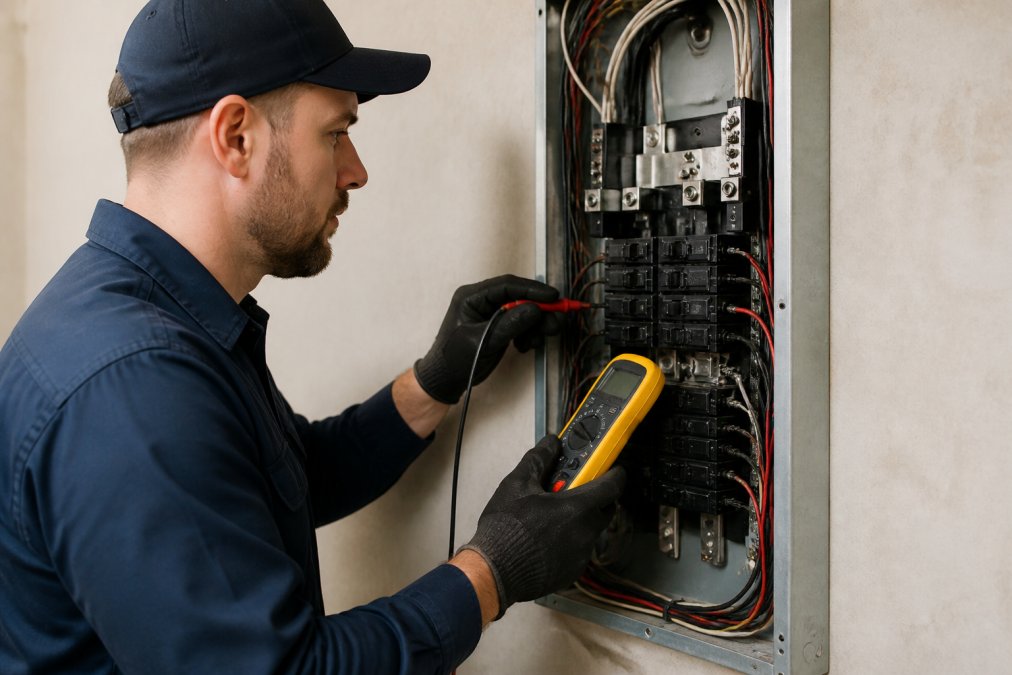
Licensed electricians understand electrical codes, load calculations, grounding requirements, and safety standards. They pull permits, schedule inspections, and ensure your installation meets federal regulations and local ordinances. This protects you legally and ensures your homeowner’s insurance covers the installation.
Finding a qualified electrician starts with verification. Ask for proof of current licensing through your state’s licensing board. Verify liability insurance and workers’ compensation coverage. Check references from recent projects, ideally customers who installed similar systems to what you’re planning.
Experience matters more than price. An electrician experienced with solar installations, battery systems, or EV chargers understands specific challenges and code requirements that general electricians might miss. Hot Shot Electric Services Co. brings 30+ years of experience installing electrical systems across Tulsa, Broken Arrow, Bixby, and Owasso. Licensed and certified electricians specialize in outdoor living installations, panel upgrades, and energy system integrations.
When comparing electricians, ask about warranty coverage. Reputable contractors stand behind their work with warranties on labor and materials. Pricing should include detailed written estimates breaking down labor, materials, permits, and inspection fees.
Residential Microgrid Systems and Off-Grid Living
A residential microgrid combines solar panels, battery storage, and smart controls into a unified system that can operate independently from the utility grid. During normal conditions, it optimizes energy usage and sells excess power back to the grid. During outages, it automatically "islands," disconnecting from the grid and powering your home entirely from stored energy.
Microgrids represent the highest level of energy independence. Unlike grid-tied solar with no backup or simple battery systems with limited capacity, a true microgrid is engineered to meet your home’s complete energy needs through generation and storage.
The advantage is comprehensive energy independence. You’re not relying on the grid for daily power or backup during outages. The disadvantage is substantial upfront cost and complexity. A residential microgrid requires professional design, engineering, and installation. Battery systems degrade over time, and ongoing maintenance is required.
Cost-Benefit Analysis: Which Alternative Fits Your Home
The right electrical alternative depends on three factors: your primary goal (cost savings, outage protection, or energy independence), your budget, and your home’s characteristics.
Goal: Reduce electricity bills. Grid-tied solar is the clear winner with a typical payback period of 6-8 years and no battery investment required.
Goal: Backup power during outages. Add battery storage to your solar system or install a standalone battery system. A Powerwall or similar system provides 12-24 hours of backup power for essential circuits.
Goal: Complete energy independence. A residential microgrid is the only option that truly delivers independence. You pay significantly more upfront, but you gain long-term stability and resilience.
Consider your home’s characteristics too. Older homes with undersized electrical panels may need expensive upgrades. Homes with poor sun exposure won’t generate enough solar to justify the investment. Homes in areas with net metering policies benefit far more from solar than homes without them.
| Alternative | Primary Benefit | Backup Power | Upfront Cost | Best For |
|---|---|---|---|---|
| Grid-Tied Solar | Lowest electricity bills | None | Moderate | Cost-conscious homeowners in sunny areas |
| Solar + Battery | Bill reduction + outage protection | 12-24 hours | High | Homeowners wanting both savings and resilience |
| Portable Generator | Emergency backup | 24+ hours (with fuel) | Low | Budget-conscious homeowners accepting fuel costs |
| Portable Battery (DELTA Pro) | Flexible backup power | 12-24 hours | Moderate | Homeowners wanting portability and scalability |
| Residential Microgrid | Complete independence | Unlimited (24/7) | Very High | Sustainability-focused homeowners or chronic outage areas |
Real-world decisions often involve trade-offs. A homeowner might install grid-tied solar for bill reduction, then add a Powerwall later when budget allows.
The cheapest alternative (grid-tied solar) offers no outage protection. The most resilient alternative (residential microgrid) costs substantially more. Your choice depends on whether you prioritize immediate cost savings or long-term energy independence.
Regulatory Compliance and Safety Standards
Every electrical installation in your home must comply with the National Electrical Code (NEC), your state’s electrical code, and local building codes. These are legal requirements enforced through permit and inspection processes.
The NEC establishes standards for wire sizing, grounding, circuit protection, and equipment installation. Your state electrical licensing board enforces these codes through contractor licensing and inspection requirements. Local building departments issue permits and conduct inspections at key stages of installation.
Federal regulations also apply. The National Electrical Manufacturers Association (NEMA) establishes standards for equipment ratings and performance. The Occupational Safety and Health Administration (OSHA) sets standards for installer safety.
Code compliance isn’t optional. If you hire an unlicensed electrician or skip permits, your homeowner’s insurance may deny claims related to electrical failure. Licensed electricians handle all code compliance automatically.
Electrical alternatives for homeowners are practical, proven solutions that reduce bills, provide backup power, and deliver energy independence. The challenge is matching the right alternative to your specific situation. Hot Shot Electric Services Co. has spent over 30 years helping homeowners navigate these decisions, installing everything from solar systems to battery backups to complete panel upgrades. Licensed electricians understand your home’s unique needs, handle all code-compliance requirements, and ensure your electrical alternatives work reliably for decades. Contact Hot Shot Electric Services Co. today for a professional assessment of your home’s electrical needs and a detailed recommendation for the alternatives that make sense for your situation.
Frequently Asked Questions
What are the most reliable electrical alternatives for residential homes?
The most reliable alternatives depend on your priorities. Solar panels paired with battery storage provide energy independence and reduced utility bills. Portable power stations like the Anker SOLIX C1000 offer flexibility for essential appliance backup. For whole-home resilience, residential microgrids combining solar, battery storage, and smart controls deliver continuous power during outages. Tesla Powerwall systems integrate seamlessly with existing solar setups. Each option has different installation requirements and upfront costs, so consulting with a licensed electrician ensures the right fit for your home's electrical infrastructure and energy needs.
How can homeowners achieve greater energy independence from the grid?
Energy independence starts with solar panels to generate power during daylight hours. Add home battery backup systems to store excess energy for nighttime use or outages. Residential microgrids integrate these components with smart controls that automatically manage power distribution and prioritize critical loads. Monitor consumption through smart switches and dimmers to reduce waste. Off-grid systems require careful load management and professional design to ensure your electrical infrastructure supports the transition. Licensed electricians can assess your current wiring, circuit breakers, and panel capacity to recommend the most cost-effective path to independence.
What should I look for when hiring a professional to install alternative power systems?
Verify that electricians are licensed and certified for your state, this ensures compliance with federal regulations and electrical safety standards. Ask about experience with your specific system type: solar installation, battery integration, or EV charger setup. Request references and check that they understand code-compliant wiring for your home's age and electrical infrastructure. Confirm they carry insurance and provide warranties on workmanship. A qualified contractor will assess your breaker box capacity, discuss load management, and explain how the new system integrates with existing outlets and appliances. Fast response times and transparent pricing matter for service calls and future maintenance.
Are there government incentives for installing residential energy alternatives?
Yes. The federal Investment Tax Credit (ITC) allows homeowners to claim up to 30% of solar installation costs on their federal income taxes. Some states and local utilities offer additional rebates or performance incentives for solar, battery storage, and EV chargers. The Inflation Reduction Act expanded funding for residential energy efficiency upgrades and clean energy systems. Incentives vary by location and system type, so check with your utility company and state energy office for current programs. A licensed electrician familiar with your area can help identify which incentives apply to your project and ensure installations meet requirements to qualify.
This article was written using GrandRanker