For most of us, electricity is a mystery. We plug in our appliances, turn on our lights and enjoy the convenience of power, but we don’t really think about what goes on beneath the surface of our homes. Understanding how a residential electrical system works is an important part of being a responsible homeowner.
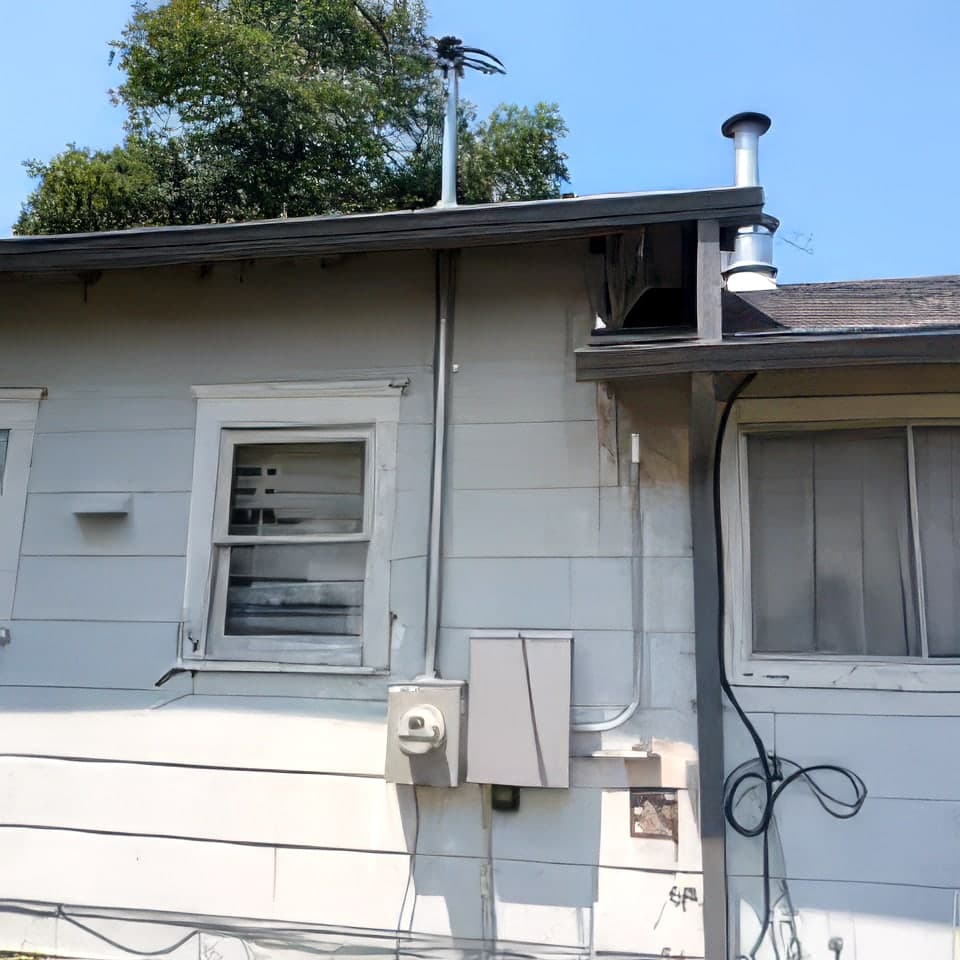
To start, you need to know the basics of your home’s electrical system. It begins with the power supply, which comes from either the utility company or an onsite generator. This power then flows through an electric meter and then to a circuit panel. The circuit panel contains circuit breakers that control the flow of electricity to different parts of your home. Each circuit breaker is designed to handle a certain amount of power and will trip if the amperage exceeds the limit.
Once the power reaches the circuit panel, it is then split into several branches. Each branch is connected to a different area of the home, such as the kitchen or the living room. The branches are then connected to outlets, switches, and light fixtures. The switches and outlets allow you to control the flow of electricity to different items, while the light fixtures provide illumination.
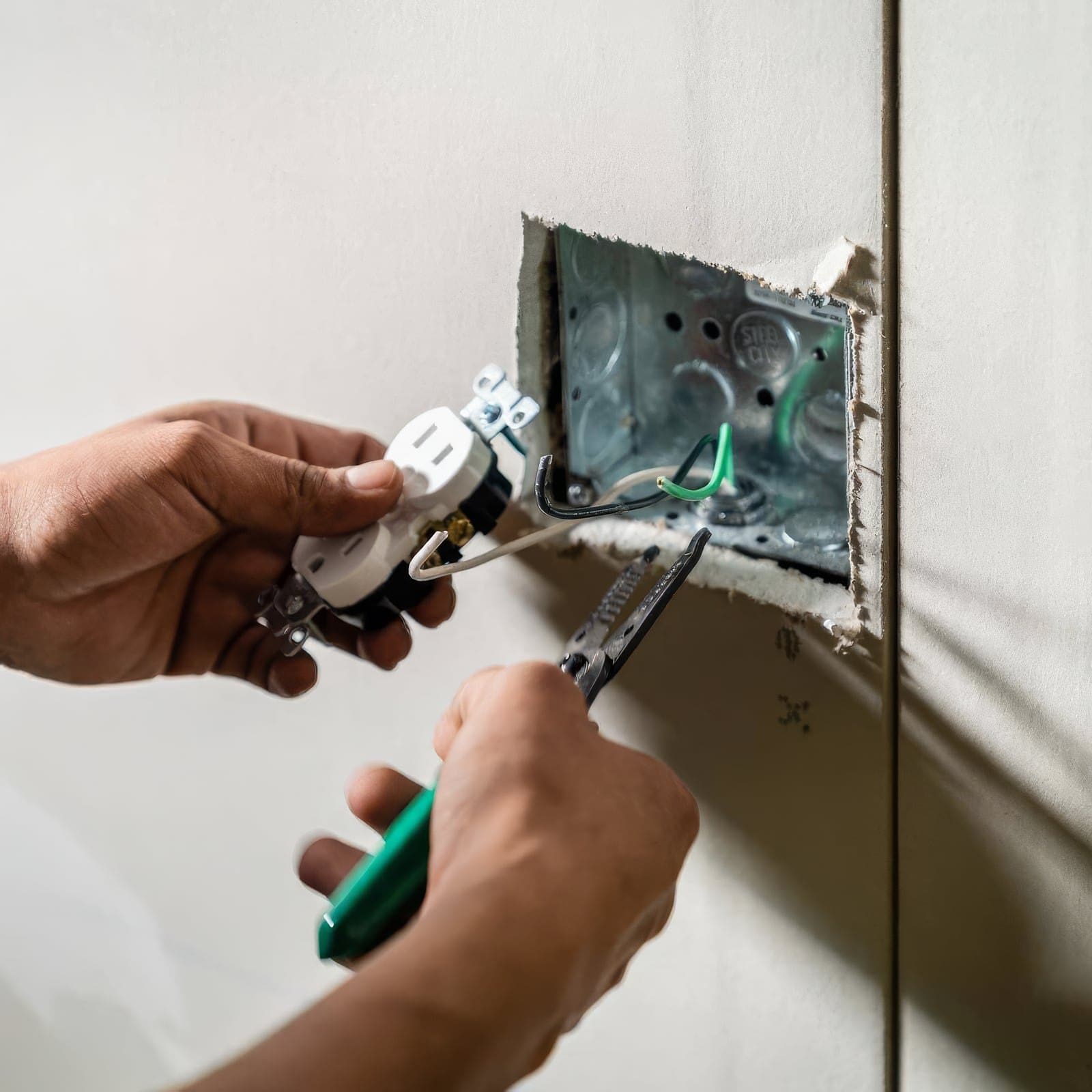
It is important to note that when installing electrical outlets or switches, it is important to make sure they are connected to the correct circuit breaker. If an outlet is plugged into the wrong circuit breaker, it could cause a short circuit and potentially serious damage.
In addition to the circuit panel, your home’s electrical system also includes a main power shutoff switch. This switch can be used to shut off the power to your entire home in the event of an emergency. It is important to make sure this switch is easily accessible in case of an emergency.
Finally, your home’s electrical system also includes a grounding system. The grounding system helps protect against surges by providing a path for electricity to escape should there be an overload. It is important to periodically check your home’s grounding system to make sure it is working properly.
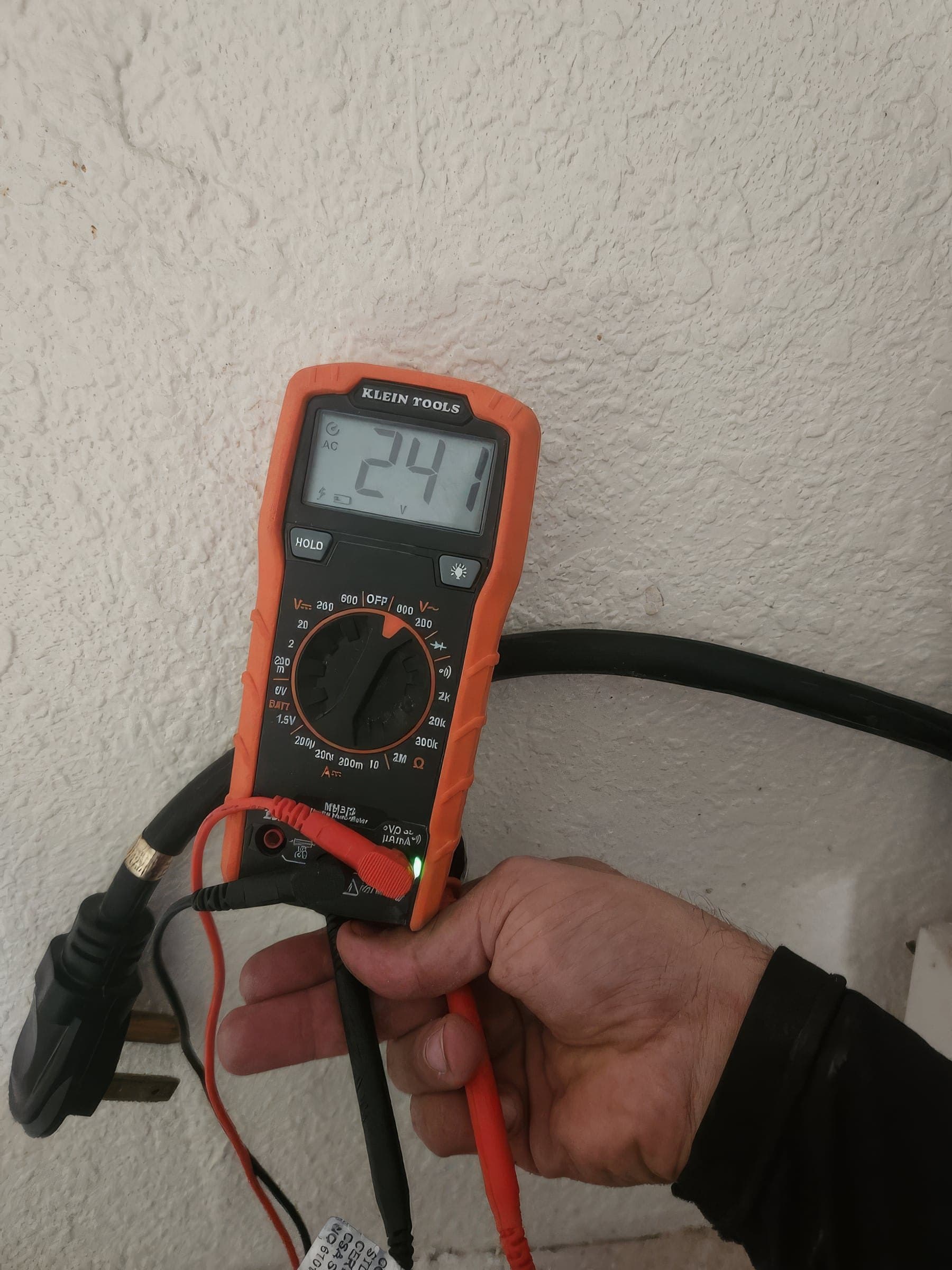
Understanding how a residential electrical system works is an important part of being a responsible homeowner. Although it can seem daunting, it is important to make sure your system is functioning properly and to make sure the safety precautions are in place. Taking the time to understand your home’s electrical system can help to ensure your family’s safety and peace of mind.
Don’t wait any longer, invest in an electrical system inspection from Hot Shot Electric Service Co. now. Hot Shot Electric Service Co. offers comprehensive electrical inspections to ensure your system is running safely and efficiently. With their experienced and knowledgeable electricians, you can be sure you’re getting the best service possible. Don’t take any chances, call Hot Shot Electric Service Co. today and get your electrical system inspected!
Electrical work is not a DIY project
Anything past resetting a breaker or a GFCI belongs to a licensed electrician. Hot Shot Electric Service Co. holds Oklahoma license #26574, and a licensed journeyman runs every job.
Further reading
- Hot Shot Electric Service Co. BBB profile (accredited since 2023)Better Business Bureau
- Check an Oklahoma electrical licenseOklahoma Construction Industries Board
- Home wiring safety tipsElectrical Safety Foundation International
- Home wiring hazardsU.S. Consumer Product Safety Commission