
Straight answer
Is aluminum wiring dangerous?
Short answer
Aluminum branch wiring is not automatically dangerous, but its connections loosen and can overheat over time, especially at outlets and switches not rated for aluminum. Homes in this area wired roughly 1968 to 1975 are the ones to check. The common fix is copper pigtails joined with AlumiConn connectors, torqued to spec.


Aluminum was used for branch circuits in many homes built from about the late 1960s to the mid 1970s. Our crew has seen plenty of it in Tulsa-area houses from that period.
Why aluminum connections fail
Aluminum expands and contracts more than copper as it heats and cools. Over years of that, the connection at a screw terminal loosens. A loose connection resists current, which makes heat, which loosens it further. The wire in the wall is usually fine. The trouble is at the ends.
Warning signs
- Cover plates on outlets or switches that feel warm
- Flickering lights
- Outlets that stop working and start again
- A hot-plastic smell near an outlet or switch
- Discoloration around a receptacle
The fix: repair the connections, not necessarily the house
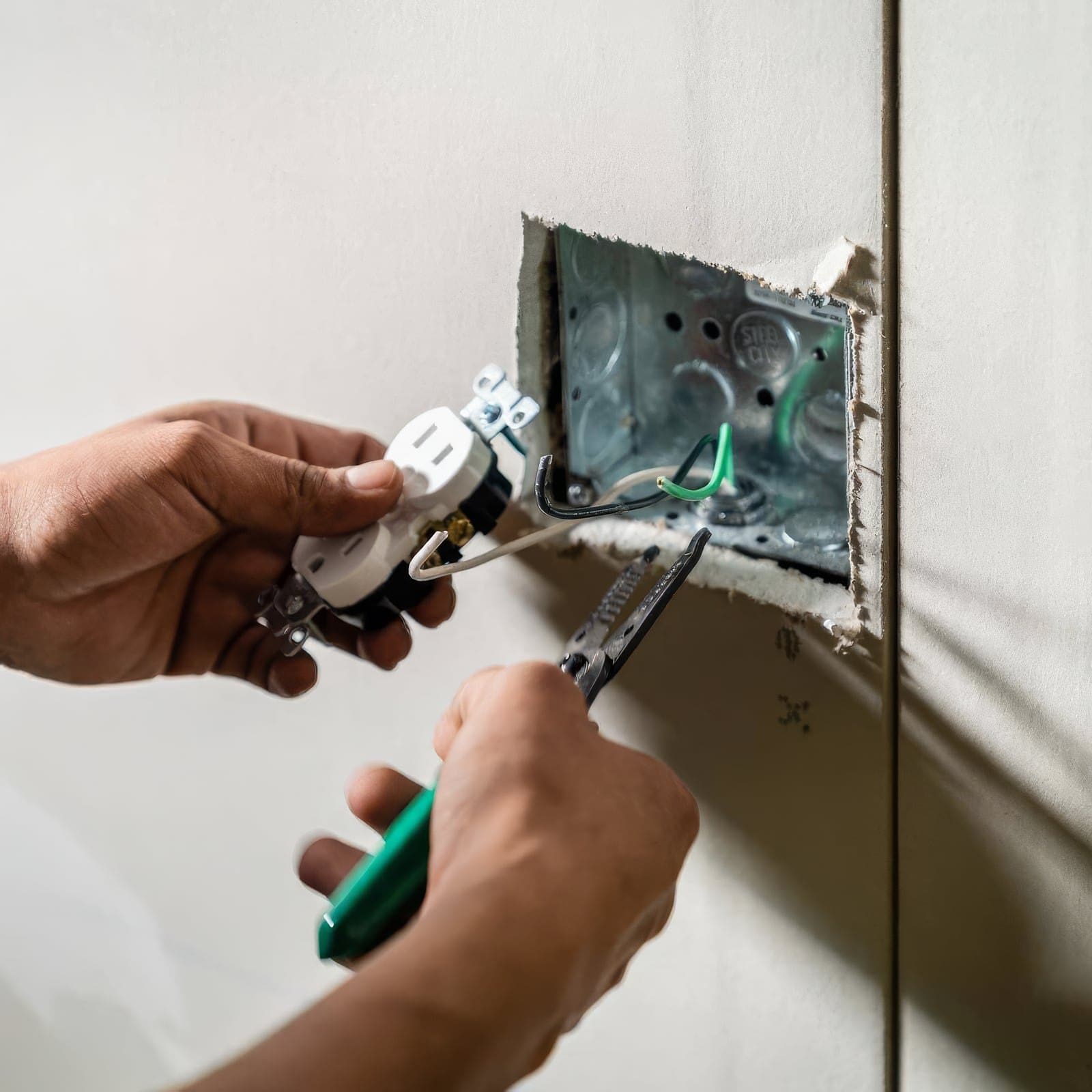
A full rewire is one answer, but it means opening walls and bringing the whole house up to current code, which costs many times more. For most homes, Hot Shot Electric Service Co. recommends pigtailing instead: every aluminum connection at an outlet, switch and fixture is joined to a short copper lead with an AlumiConn connector, then the device connects to copper.
How to know if you have it
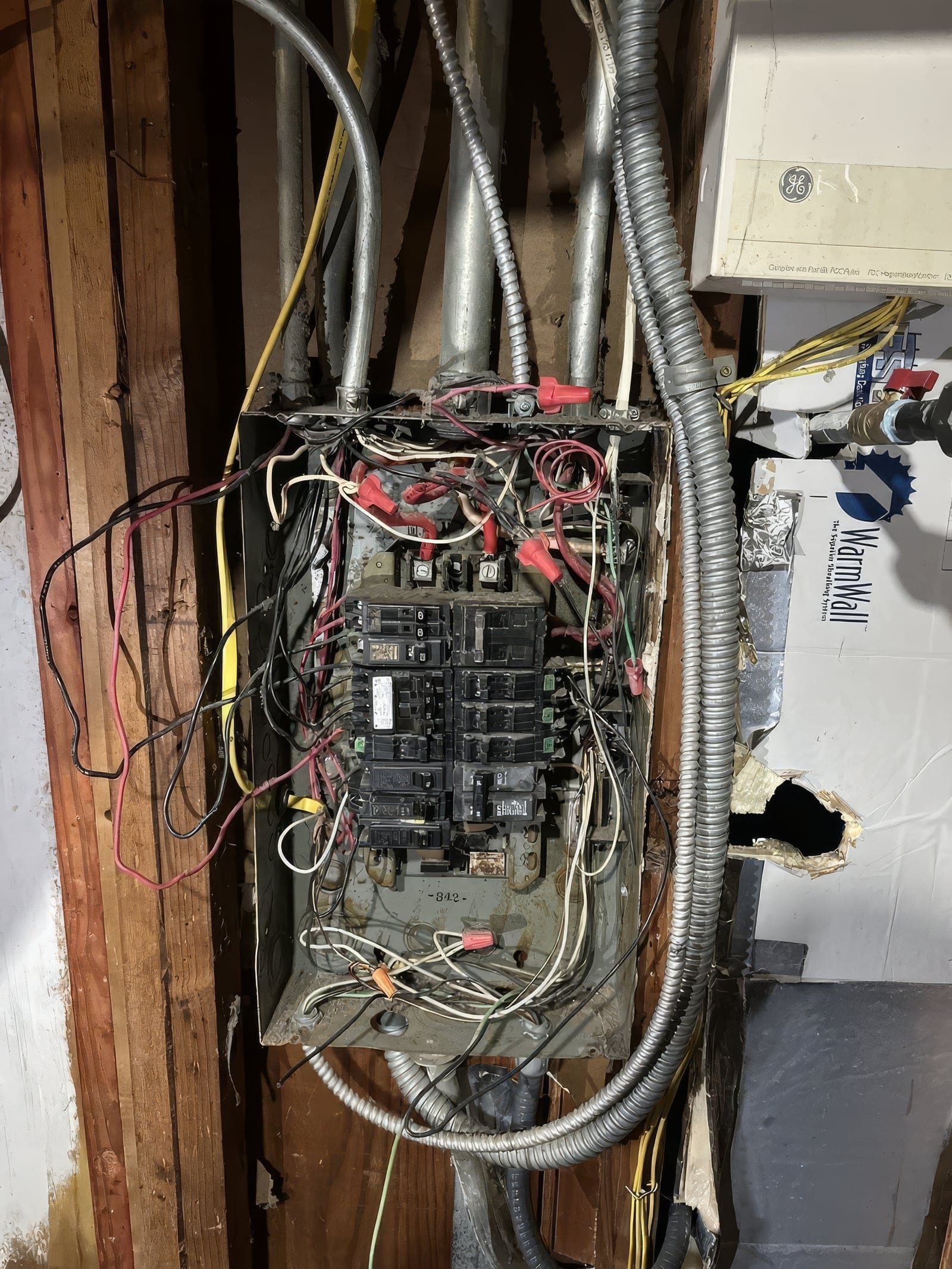
Look at exposed cable in the attic or basement for printing that says AL or ALUMINUM, or have a journeyman check during any service visit. Aluminum is one of the items on the safety inspection that comes with every diagnostic.
One reviewer had their breaker box replaced along with every outlet and switch, including new aluminum-to-copper connectors. That combination is common when a panel is also near the end of its life. See aluminum wiring repair.
What a pigtail repair looks like
- The power to each circuit is shut off and verified dead.
- Each outlet, switch and fixture is opened.
- Each aluminum conductor is joined to a short copper lead with an AlumiConn connector, torqued to specification.
- The device is connected to the copper lead, or replaced if it is worn or not rated for the job.
- Every circuit is tested before the crew leaves.
The repair is done room by room, and most homes stay livable throughout.
When a rewire is the better answer
Pigtailing fixes connections. If the wiring itself is damaged, or you are remodeling and the walls are already open, rewiring those circuits can make more sense. A rewire also has to meet today's code, which means arc fault protection and tamper-resistant outlets, and that is a big part of why it costs more. We lay out both options so you can choose with the real numbers in front of you.
Follow-up questions
Do I have to rewire the whole house?
Is the big aluminum wire to my range or panel a problem?
Will my insurance company ask?
Further reading
- Hot Shot Electric Service Co. BBB profile (accredited since 2023)Better Business Bureau
- Check an Oklahoma electrical licenseOklahoma Construction Industries Board
- Repairing aluminum wiringU.S. Consumer Product Safety Commission
- Repairing Aluminum Wiring (Publication 516, PDF)U.S. Consumer Product Safety Commission
Still not sure? Call and ask.
If it is something you can fix yourself, we will tell you. If it is not, a licensed journeyman comes out with the price before any work.
Monday to Friday, 8:00 AM to 4:30 PM. Closed Saturday and Sunday.
Financing available on larger projects