Straight answer
What do I need to install a Level 2 EV charger at home?
Short answer
A Level 2 charger needs a dedicated 240-volt circuit sized to the charger, usually on a 40 to 60 amp breaker, a panel with enough capacity and an open space, and either a hardwired connection or an EV-rated outlet. You supply the charger; we check the panel, run the circuit and mount it.
EV charging at home is mostly a question about your panel. The charger itself is the easy part.
Three things we check first
- How old is the panel, and is it on the obsolete list? There are a few older panels we will not add a breaker to.
- Is there breaker space? A Level 2 circuit needs a double-pole breaker, two spaces.
- Is the service big enough? The charger is a large continuous load added to everything else the house already runs.
Hardwired or plug-in
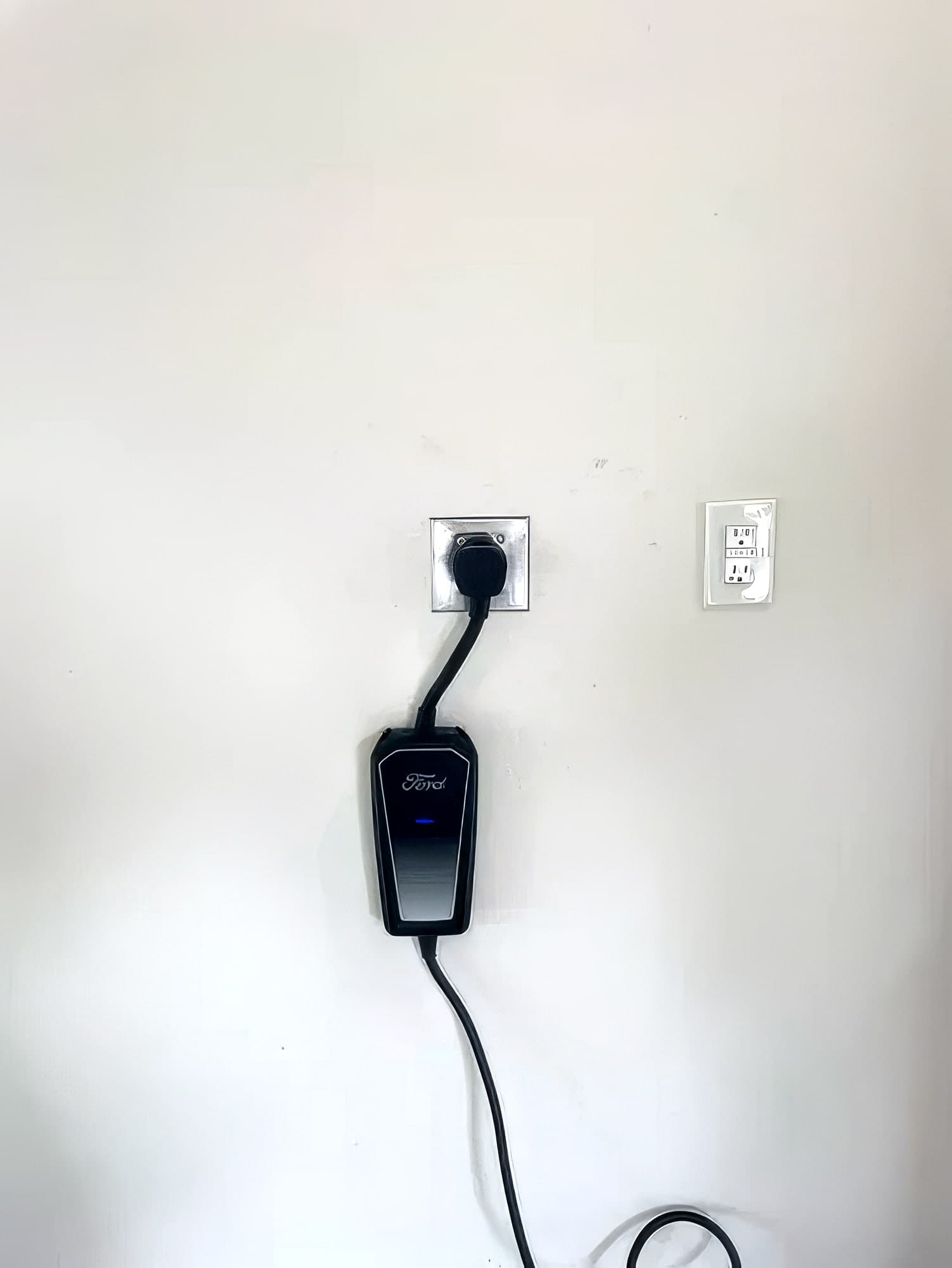
Some chargers are hardwired. Others plug into a 240-volt outlet such as a NEMA 14-50. When we install an outlet for an EV, we use an EV-rated receptacle built for hours of continuous load, because a standard range-type receptacle is not designed for daily charging.
You choose the charger
Hot Shot Electric Service Co. does not sell chargers. Buy the one that fits your vehicle and the length of cable you need, and we install the circuit, mount the unit and confirm it charges as the manufacturer intends. Read the manual's breaker size requirement before you buy; it tells you what circuit you will need.
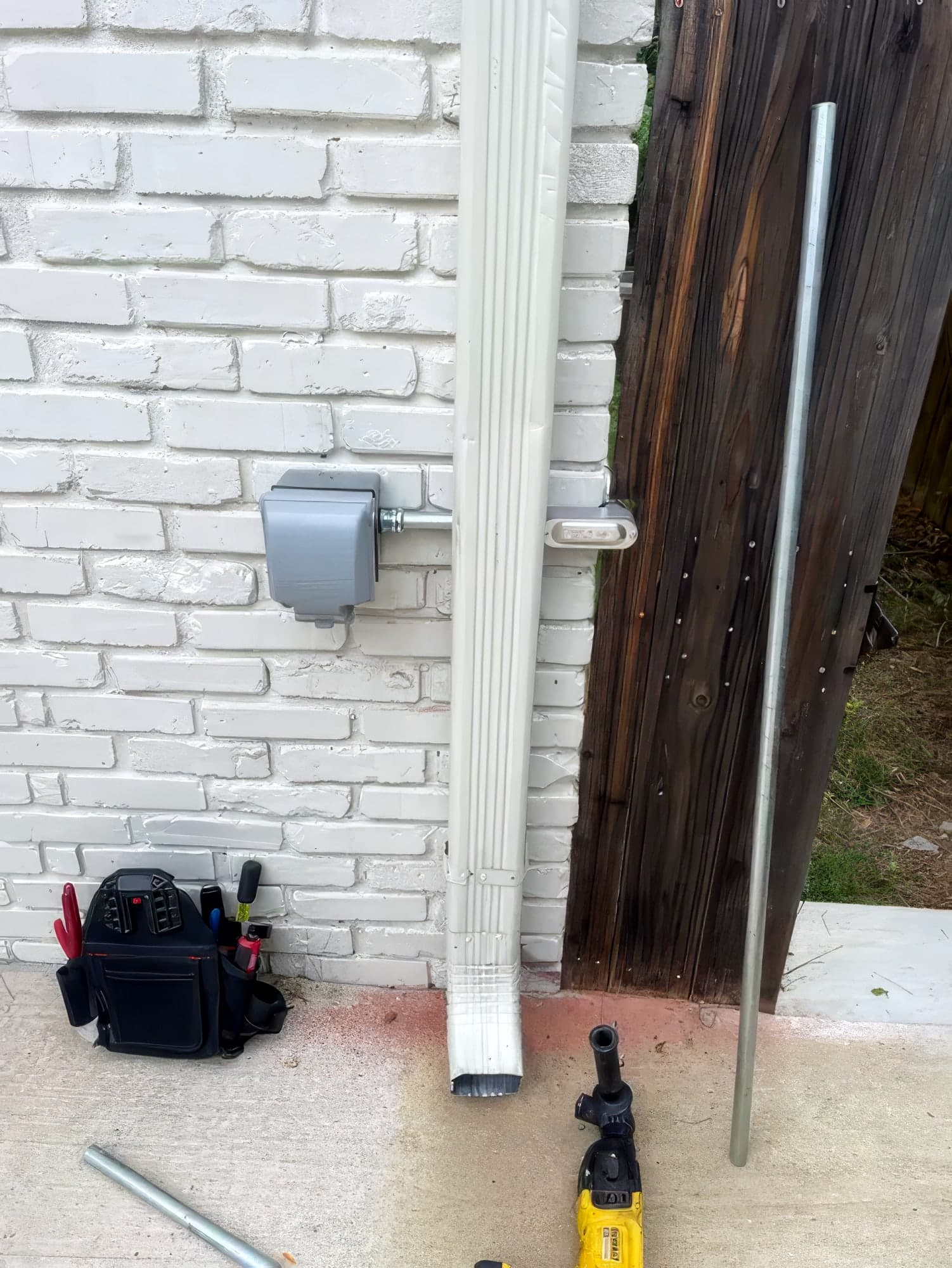
When the panel is full
A full or undersized panel does not always mean a new panel. Depending on the house, options include freeing space, a subpanel, a load management device, or a panel upgrade. We explain the options and costs before you decide.
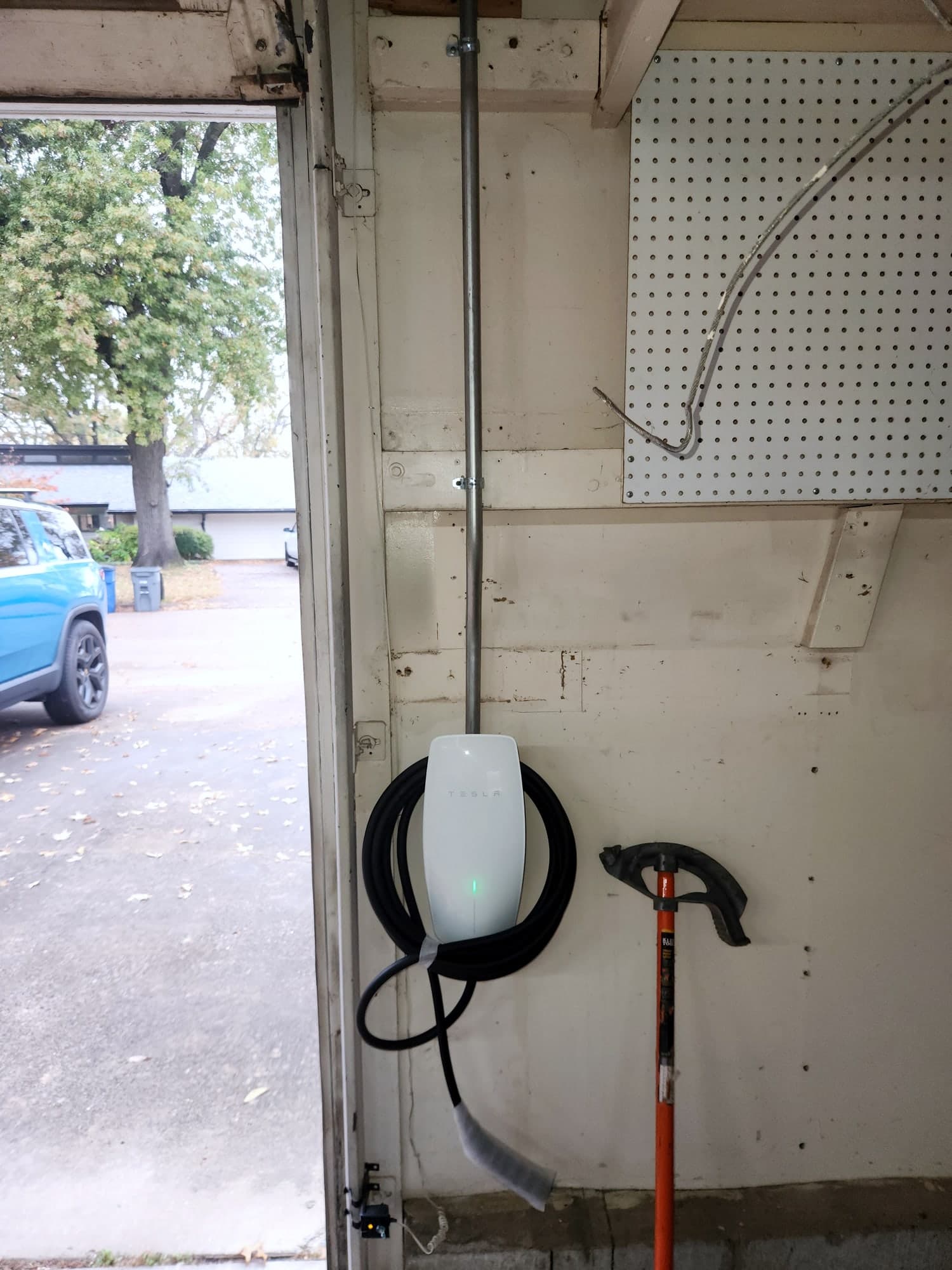
A customer who had Hot Shot Electric Service Co. install new GFCIs and EV chargers wrote that the crew did good work and did not mind working around the home's solar system. See EV charger installation.
Where to mount the charger
Most chargers go in the garage near where the car's charge port sits when parked. The closer the charger is to the panel, the shorter and simpler the circuit. Outdoor locations need a charger and connections rated for outdoor use. Tell us the make of the car and where you park, and we plan the shortest safe run.
Protect the investment
EVs and chargers are full of electronics. Many owners add whole-house surge protection at the panel at the same time. One recent project installed a dedicated EV outlet and breaker and an Eaton surge protective device in the same visit.
If you are buying the car and the charger at the same time, call before you buy the charger. The breaker size and cable length you need depend on where the panel is and where you park, and knowing that first can save you buying the wrong unit.
Follow-up questions
Do you supply the charger?
Will I need a permit?
How long does installation take?
Further reading
- Hot Shot Electric Service Co. BBB profile (accredited since 2023)Better Business Bureau
- Check an Oklahoma electrical licenseOklahoma Construction Industries Board
- Charging electric vehicles at homeU.S. Department of Energy
- PSO EV ratePSO
Still not sure? Call and ask.
If it is something you can fix yourself, we will tell you. If it is not, a licensed journeyman comes out with the price before any work.
Monday to Friday, 8:00 AM to 4:30 PM. Closed Saturday and Sunday.
Financing available on larger projects