
Straight answer
Why do my lights flicker?
Short answer
One flickering fixture usually means a loose bulb, a failing switch or dimmer, or a loose connection. Lights that dim when the AC or a big appliance starts suggest a heavily loaded circuit or service. Lights all over the house getting brighter and dimmer can mean a loose neutral, which needs prompt attention.

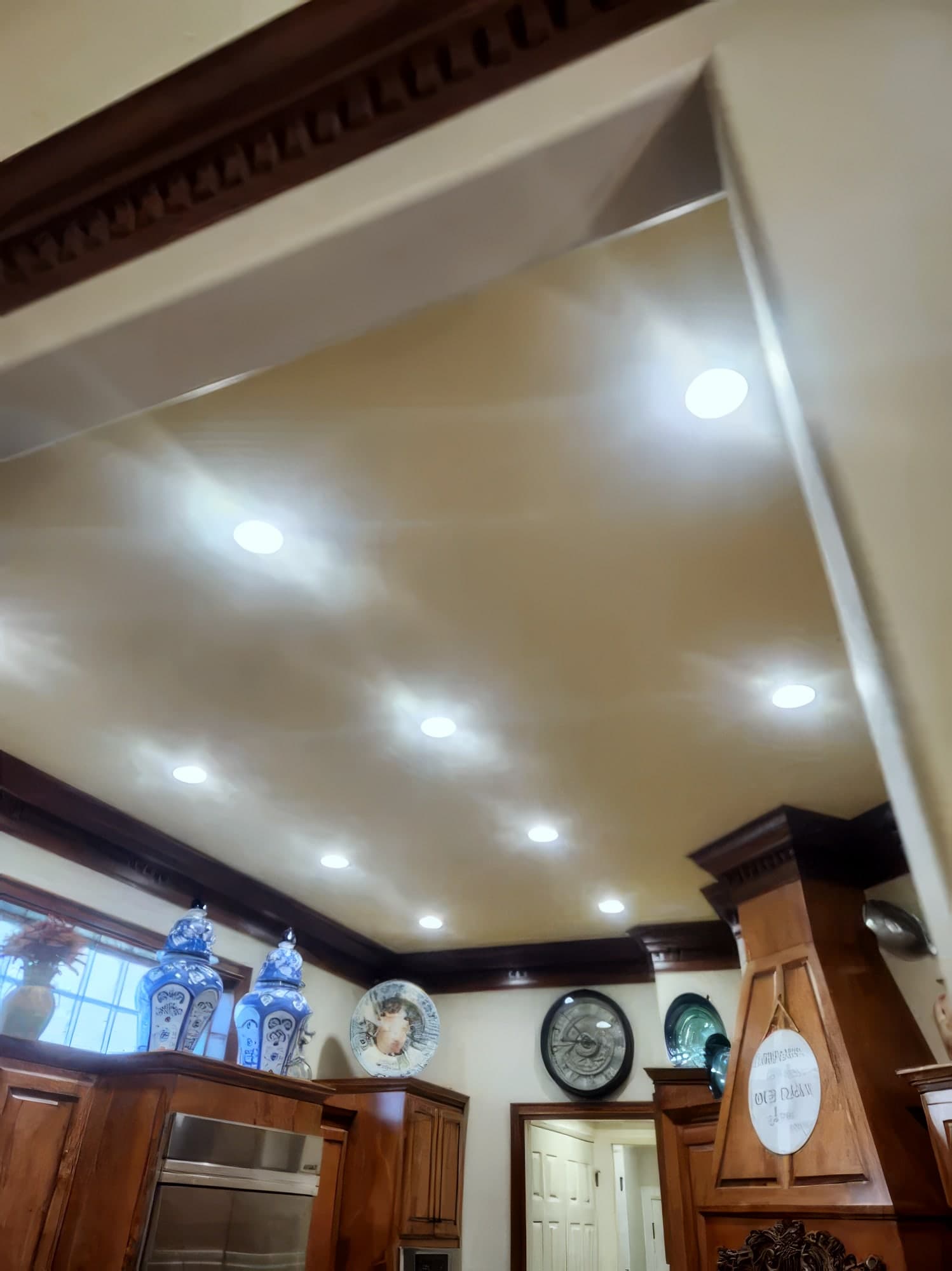
Flicker is a symptom, and where it shows up tells you a lot about the cause.
One fixture
- A bulb that is loose or failing
- An LED bulb on a dimmer it is not compatible with
- A worn switch or dimmer
- A loose connection in the fixture box
Start with a new bulb rated for the fixture and, if it is on a dimmer, a dimmable one. If the flicker stays, it is likely the switch or the connection.
One room or one circuit
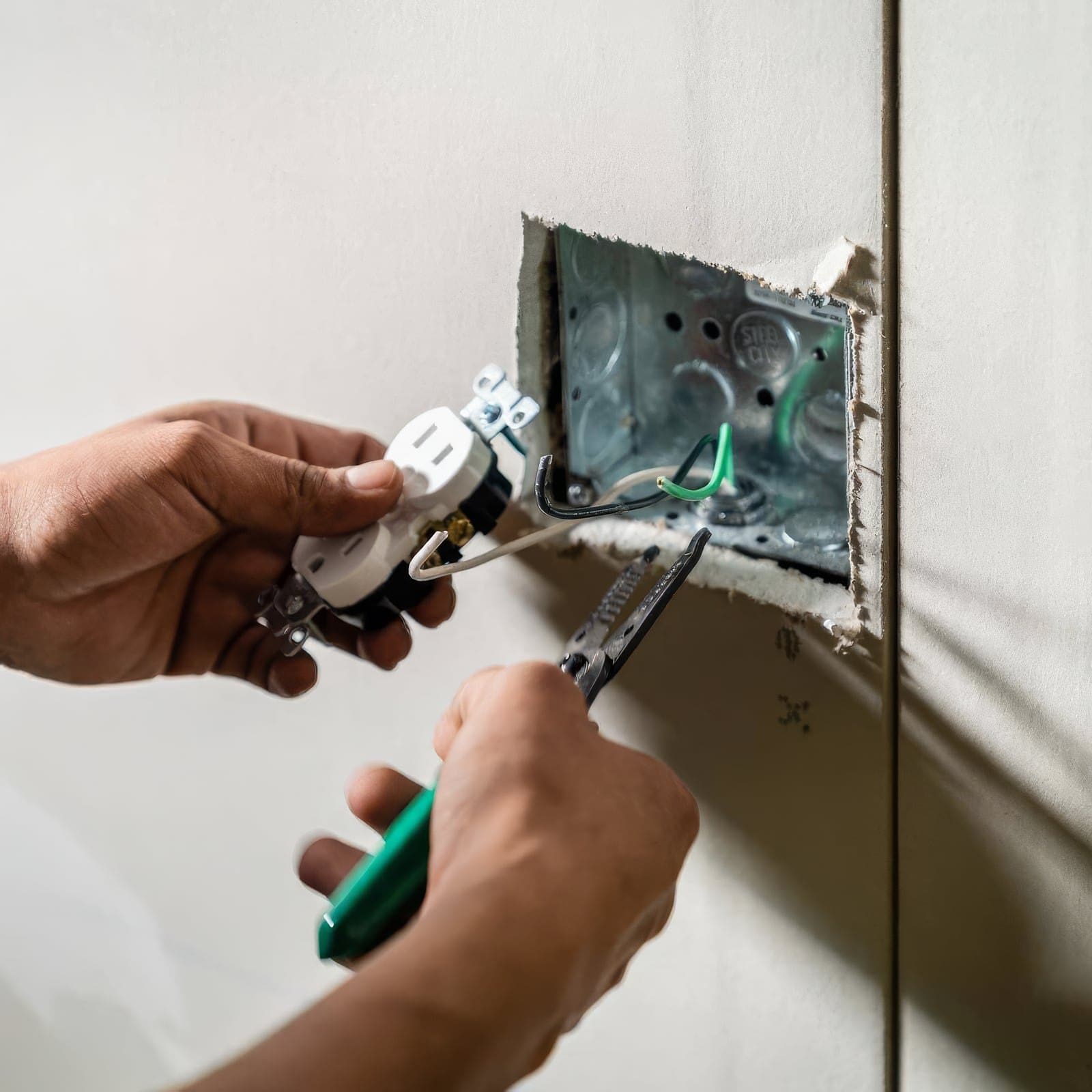
Several lights on the same circuit flickering together points to a connection somewhere along that circuit, often a backstabbed outlet or switch upstream. Those connections loosen over years and make heat. It deserves a check.
When the AC or a big appliance starts
A brief dim when a large motor starts can be normal. A deep or long dim suggests a heavily loaded circuit, a weak connection in the panel, or a service that is undersized for what the house runs now.
After an outage or a storm
Flicker that starts after storm damage can come from the service drop, the meter base or the main connections. If it is on PSO's side, they fix it. Here is how to tell who fixes what.
How we track it down
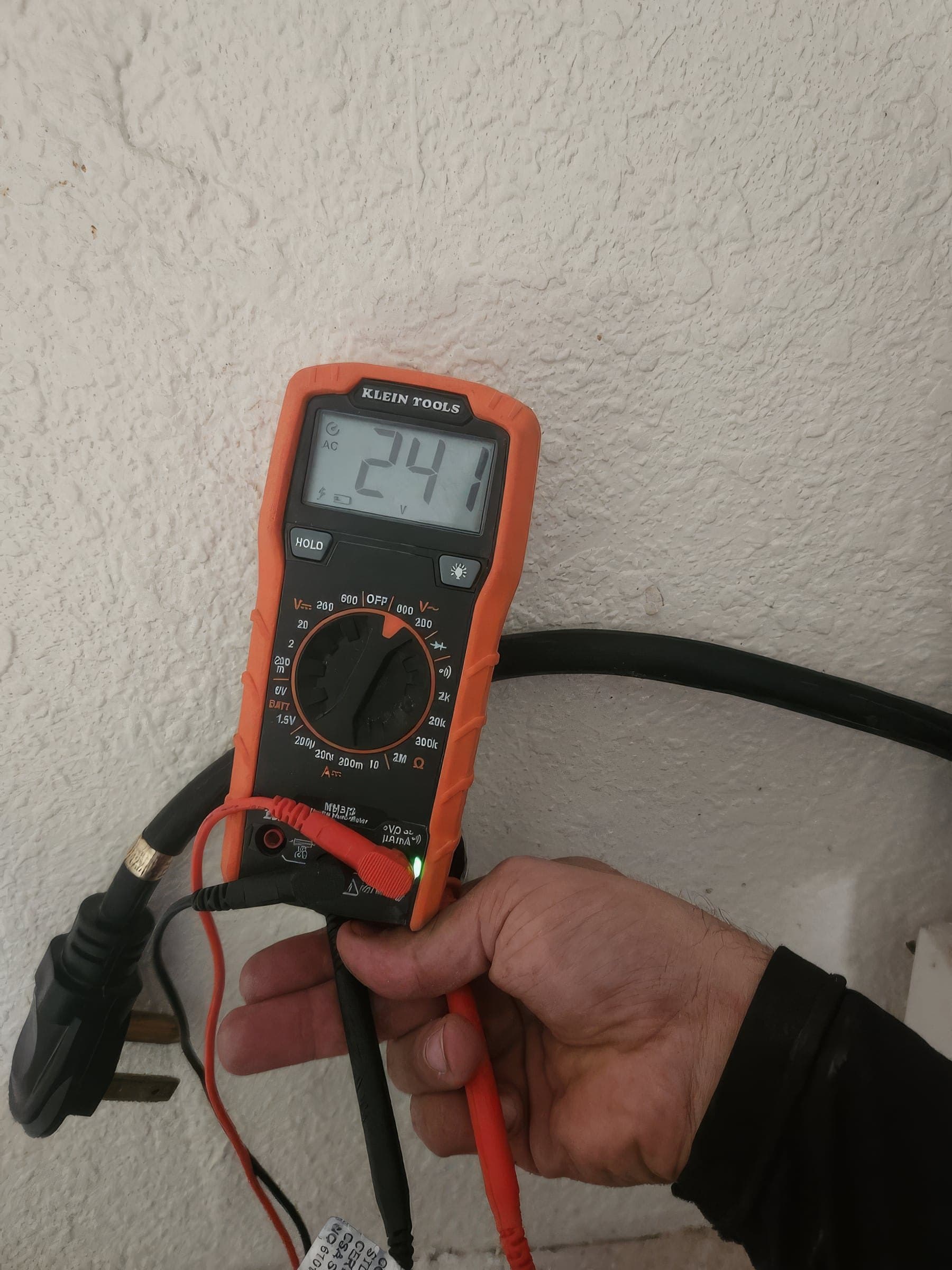
A licensed journeyman tests voltage at the panel and at affected circuits, checks the neutral and grounding, opens the switches and outlets on the circuit, and looks at the panel connections. Intermittent problems are the hardest to catch, so it helps to note when it happens: what was running, the time of day and the weather. You get the cause and the price before any work starts.
When flicker comes with other symptoms
- Flicker plus a warm switch plate: a loose connection at the switch
- Flicker plus a buzzing panel: a panel or breaker problem
- Flicker plus a burning smell: turn the circuit off and call
- Flicker only on one leg of the house with the AC dead: a lost leg of power
LED bulbs on an older dimmer
Many dimmers installed for incandescent bulbs do not work well with LED bulbs, and flicker or buzzing at low settings is the usual sign. The fix is a dimmer rated for LED loads, or bulbs marked dimmable. It is a quick change, and it rules out the wiring before anyone opens a wall.
What to note before you call
Write down which lights flicker, whether it happens when something specific starts (the AC, the dryer, the microwave), the time of day, and whether it began after a storm or an outage. Intermittent problems are the hardest to find, and a short log often points the journeyman straight to the cause.
Follow-up questions
Is flickering dangerous?
Why do my new LED bulbs flicker?
Should I call PSO or you?
Further reading
- Hot Shot Electric Service Co. BBB profile (accredited since 2023)Better Business Bureau
- Check an Oklahoma electrical licenseOklahoma Construction Industries Board
- Home wiring safety tipsElectrical Safety Foundation International
- Electrical safety in the homeNFPA
Still not sure? Call and ask.
If it is something you can fix yourself, we will tell you. If it is not, a licensed journeyman comes out with the price before any work.
Monday to Friday, 8:00 AM to 4:30 PM. Closed Saturday and Sunday.
Financing available on larger projects